


Understanding the Rules of Vampirism in Call of the Night

Vampires have fascinated audiences for centuries, but the anime Call of the Night offers a fresh take on these mythical creatures. This series introduces a unique set of rules that govern vampirism, setting it apart from traditional vampire stories. Understanding these rules helps viewers appreciate the depth of the story and the characters’ struggles. This post breaks down the key aspects of vampirism in Call of the Night, explaining how the anime redefines vampire lore.
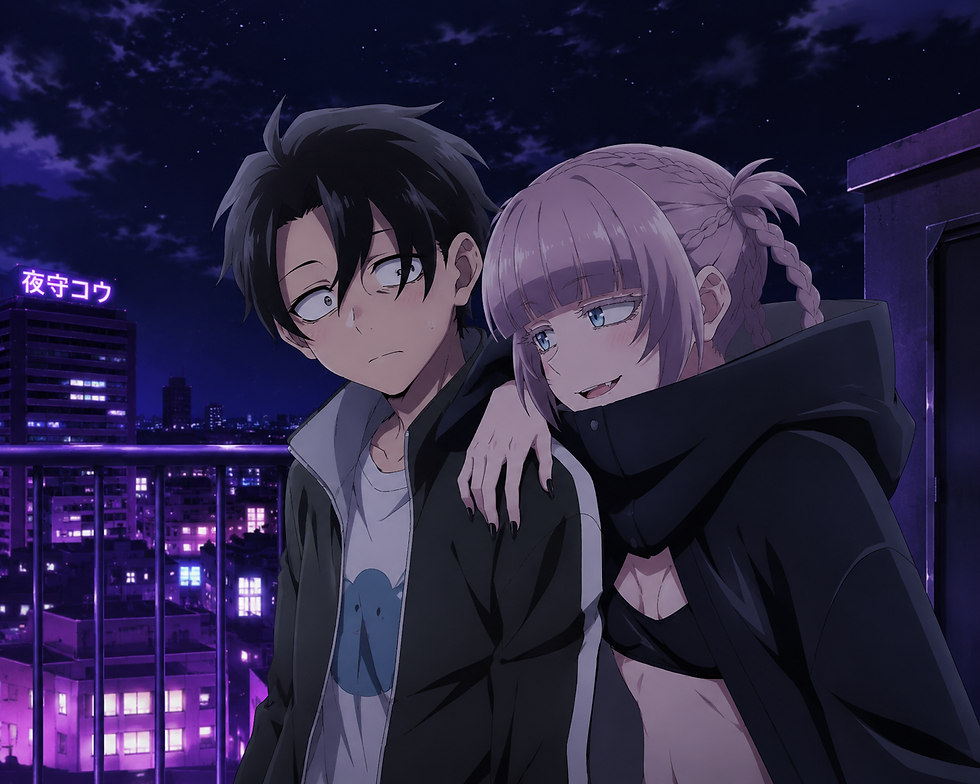
The Nature of Vampirism in Call of the Night
In Call of the Night, vampirism is a superpowered, slow-burn psychological and biological process. Rather than being a simple curse, it is intimately tied to intimacy and emotion. Humans must fall in love with a vampire to be turned. The series completely redefines classic vampire lore with specific biological and supernatural traits.
The Turning Process
A human can only become a vampire if they genuinely fall in love with the specific vampire who bites them. Additionally, once a human is bitten, they have exactly one year to fall in love and transform. If the year passes without them falling in love, they lose the ability to turn forever, and their blood becomes highly repulsive to vampires.
Biology and Needs
Vampires have an innate reflex to drink human blood, which they must do at least once every ten years to survive, though more frequent feeding makes them healthier and more beautiful. Blood tastes best when extracted right as a person is falling asleep. Vampires can also consume human food without issue, though it doesn't taste very good to them.
Superpowers and Vulnerabilities
Full vampires possess superhuman strength, speed, heightened senses, the ability to levitate, accelerated healing, and intangibility, allowing them to phase through solid objects like walls. Though, this requires immense concentration, as terminating the ability while still phased inside an object can cause severe bodily harm.
They are generally not killed by the sun but find direct exposure highly irritating and potentially dangerous if they are in a weakened state. Vampires do not cast reflections in mirrors, but they can be captured on cameras. The most unique vulnerability in the series is that vampires slowly forget their human lives over centuries. Physical contact with an object that the vampire deeply cherished when they were still human will physically burn and weaken them.
Rules Governing Vampire Society
In Call of the Night, vampire society operates under a distinct set of supernatural and social rules. While individual vampires are largely independent, their race is enforced by the secretive Vampire Council, which mandates strict population, feeding, and relational traditions.
The Feeding Rules
Vampires must feed on human blood at least once every 10 years to survive, look healthy, and remain beautiful. Also, vampires are traditionally forbidden from biting or feeding on humans they have fallen in love with.
Secrecy and Human Relations
Vampires are required to keep their existence and the supernatural world a strict secret from mortals. The traditional coven rule is that humans should only be viewed as potential converts or food. Forming deep, meaningful relationships or friendships with humans is generally frowned upon or considered taboo by conservative traditions.
The Transformation and Progeny Rules
To turn a human into a vampire, the human must genuinely fall in love with the vampire who bites them. If the human does not fall in love within one year of their first vampire feeding, they permanently lose the ability to transform. Vampires refer to the humans they turn into vampires as "servants" or subordinates. A servant typically maintains infatuation with their master.
Vampire Hierarchy and Social Standing
In Call of the Night, vampiric social standing is defined by age, lineage, and adherence to Council laws.
The Vampire Council
The supreme ruling body. They enforce strict laws to preserve the existence of vampires and handle those who disrupt human society.
Sire and Servants
Vampires who create offspring operate like "parents" to "children". The sire holds immense influence over their servants, often acting as a pseudo-feudal leader.
Vigilantes and Outcasts
Independent vampires (like Susuki) operate as regulators. They exist to silence threats or vampires who draw too much attention to their hidden communities.
Nazuna’s Unique Standing
Nazuna is a rare anomaly, a hybrid born to a vampire mother and a human father, rather than being converted. This gives her a unique status, but she largely prefers to live on the fringes as a nomadic night-walker rather than playing politics
Why These Rules Matter
The rules of vampirism in Call of the Night serve several purposes:
They create a believable world where supernatural elements have clear boundaries.
They add emotional depth by linking vampirism to human experiences like love.
They drive the plot by creating conflicts and challenges that characters must navigate.
They differentiate the anime from other vampire stories by focusing on relationships and personal growth.
Understanding these rules enriches the viewing experience and invites deeper reflection on what it means to be human or vampire.


Comments