


Top Isekai Anime and Manga Fans Love Most

Isekai works because the setup is instantly exciting. A character leaves one life behind, lands in a strange world, and has to figure out the rules before the world crushes them, crowns them, or both.
That simple idea can become almost anything. A power fantasy. A tragedy. A comedy. A war story. A slow-burn character study. The best isekai anime and manga do more than send someone to another world. They make that world feel worth staying in.
This fan-favourite ranking covers 10 titles that shaped the genre, sparked constant debate, and keep pulling in new readers and viewers.

Why fans keep returning to isekai stories
The genre looks simple from the outside, but fan favorites usually share a few strengths.
They have clear rules. Magic systems, game mechanics, reincarnation limits, political structures, and social ranks all matter. When the audience understands how the world works, every victory feels earned.
They have characters who react to a second life in interesting ways. Some want peace. Some chase power. Some break down. Some become villains without noticing. The new world often reveals who the main character already was.
They also offer variety. A fan who loves tactical fantasy might choose Overlord. Someone who wants chaotic comedy might reach for KonoSuba. A viewer who likes pain, mystery, and emotional resets might pick Re:Zero.
That range is why the genre has stayed so popular across anime, manga, and light novels.
That Time I Got Reincarnated as a Slime has one of the strangest hooks in the genre, and it turns that joke into a surprisingly rich fantasy story.
Satoru Mikami reincarnates as Rimuru, a slime with the ability to absorb powers and make alliances. Instead of building drama only through revenge or survival, the series focuses on community building. Rimuru creates a nation, gathers monsters, negotiates with humans, and slowly becomes one of the most influential beings in the world.
Fans love the show because it balances comfort and scale. The story has cute moments, city-building, political tension, big battles, and a steady sense of progress. Rimuru’s growing strength is fun, but the real appeal comes from seeing former enemies become citizens, friends, and allies.
It is power fantasy with a soft centre.
Mushoku Tensei: Jobless Reincarnation is often discussed as one of the major modern isekai works. It follows a deeply flawed man who dies and starts over as Rudeus Greyrat in a fantasy world.
The series stands out because it treats reincarnation as more than wish fulfilment. Rudeus carries shame, trauma, bad habits, and memories from his past life. His second chance does not erase who he was. It gives him a long, uncomfortable path toward growth.
The world also feels lived in. Languages, continents, schools of magic, family conflict, and social customs all shape the story. The fantasy adventure matters, but so do the personal consequences of each choice.
This title earns its place because fans respond to its ambition. It can be messy and controversial, but it is rarely shallow.
Re:Zero - Starting Life in Another World takes the dream of isekai and turns it into a nightmare.
Subaru Natsuki arrives in another world with no grand weapon, no clear mission, and no easy route to success. His special power, Return by Death, sends him back after he dies. That ability sounds useful until the emotional cost becomes clear.
Every reset forces Subaru to remember fear, failure, violence, and grief that others forget. The series uses that loop to explore desperation, pride, love, and mental strain. Subaru is not instantly heroic. He makes ugly mistakes, and the story makes him face them.
Fans love Re:Zero because it refuses to make survival easy. The mysteries are strong, the emotional peaks hit hard, and the cast around Subaru gives the story real weight.
KonoSuba works because it understands the genre well enough to lovingly mock it.
Kazuma dies in embarrassing fashion, gets sent to a fantasy world, and chooses the goddess Aqua as his companion. That choice sounds clever for about five seconds. Soon he is stuck with a party full of powerful but wildly impractical allies, including Megumin, who can cast one massive explosion spell before collapsing, and Darkness, a crusader whose priorities are questionable at best.
The comedy comes from the gap between fantasy expectations and daily failure. Quests go wrong. Money disappears. Ego ruins plans. The party wins just often enough to keep going, but rarely with dignity.
Its fan base remains strong because KonoSuba is genuinely funny while still offering affection for fantasy role-playing tropes. It turns incompetence into art.
5. Overlord
Overlord flips the usual isekai power fantasy by making the protagonist look like the final boss.
Momonga, later known as Ainz Ooal Gown, becomes trapped in the world of a game after its servers shut down. Instead of returning to normal life, he takes command of the Great Tomb of Nazarick and its loyal, terrifying guardians.
The hook is simple and brilliant. What happens when an overpowered undead ruler enters a world that is not ready for him?
Fans enjoy Overlord for its dark humour, strategy, and shifting points of view. Ordinary soldiers, nobles, adventurers, and rival powers often misunderstand the scale of threat they face. That creates tension even when Ainz seems unbeatable.
The series is less about whether Ainz can win and more about what his victories cost everyone else.

Sword Art Online helped bring game-based isekai and virtual world stories to a huge audience.
Kirito and thousands of players become trapped inside Aincrad, a virtual reality MMORPG where death in the game means death in real life. The early appeal is immediate. Clear the floors, defeat the bosses, survive.
The series has expanded far beyond its first arc, but Aincrad remains the part many fans remember most. It blends romance, action, guild tension, and the fear of being stuck in a world that looks like a game but hurts like reality.
Some fans debate whether Sword Art Online fits every narrow definition of isekai, since it begins in a virtual world rather than a reincarnated fantasy realm. Even so, its influence on the genre is impossible to ignore. Many later series borrow, react to, or build on ideas it helped popularize.
The Eminence in Shadow is a joke told with a straight face, and that is its greatest strength.
Cid Kagenou wants to become a mastermind who controls events from the shadows. After reincarnating in a fantasy world, he invents a fake conspiracy to entertain himself. The twist is that the conspiracy is real, and his followers treat his nonsense as genius-level insight.
The series walks a fine line between parody and genuine action fantasy. Cid is absurd, melodramatic, and comically self-centred, but the world around him often plays things seriously. That contrast makes the plot move in strange and entertaining ways.
Fans love the confidence of it. The show knows exactly how ridiculous its lead is, and it commits fully. Cid is living out a fantasy persona while accidentally changing the world.
The Rising of the Shield Hero begins with betrayal and isolation.
Naofumi Iwatani is summoned to another world as one of four heroes, each tied to a legendary weapon. As the Shield Hero, he already receives less respect than the others. After a false accusation destroys his reputation, he becomes bitter, guarded, and determined to survive on his own terms.
The story’s early hook is powerful because it turns the chosen hero setup against the protagonist. Naofumi cannot rely on public trust, royal support, or easy praise. He has to build his party and reputation from a much lower point.
Fans connect with the comeback arc. The series mixes anger, found family, monster waves, and political conflict. At its best, it shows how trust can be rebuilt after deep damage.
No Game No Life is bright, clever, and proudly excessive.
Sora and Shiro are sibling gamers who get transported to Disboard, a world where games decide everything. War, politics, territory, and social conflict all follow formal game rules. For two unbeatable strategists, it sounds like paradise.
The appeal comes from the mind games. The series turns contests into theatrical battles of logic, bluffing, loopholes, and nerve. It also has one of the most visually distinct anime styles in the genre, with bold color choices and a dreamlike look.
Fans still talk about No Game No Life because it feels unfinished in the public imagination. The anime left people wanting more, and that longing has only strengthened its reputation.
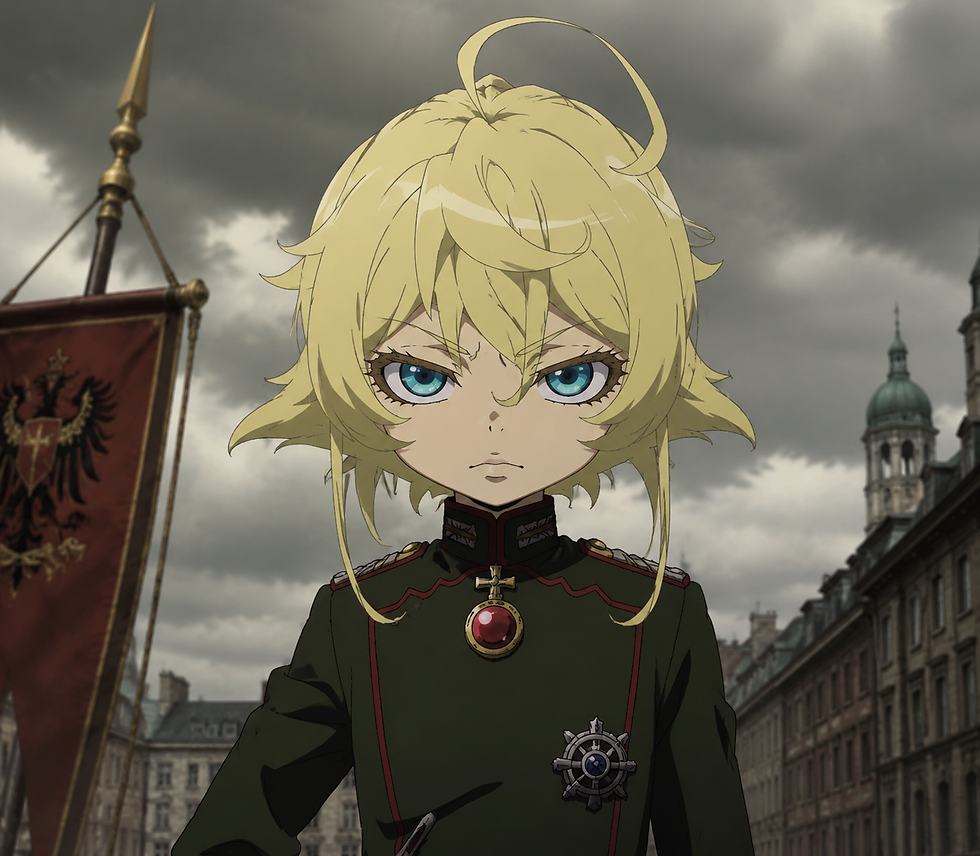
The Saga of Tanya the Evil is one of the sharpest and strangest entries on this list.
A ruthless salary worker dies and is reborn as Tanya Degurechaff, a young girl in an alternate world shaped by magic and military conflict. Tanya wants safety, status, and a comfortable life far from danger. Instead, her talent and cold logic keep pushing her deeper into war.
The series stands apart because of its tone. It is not a cheerful fantasy escape. It mixes military strategy, dark comedy, theology, and psychological conflict. Tanya fights against circumstances, enemies, and a higher power that refuses to let her live quietly.
Fans who want something harsher and more tactical often place it high. It shows how flexible isekai can be when it leaves the standard adventure party behind.

How these fan favorites compare
The ranking shows how wide the genre has become. These 10 titles do not all chase the same feeling.
Some are built around growth and second chances. Mushoku Tensei and Re:Zero both focus on painful personal change, though they handle it in very different ways.
Some are about power and control. Overlord, That Time I Got Reincarnated as a Slime, and The Eminence in Shadow all feature protagonists whose strength reshapes nations, groups, or hidden conflicts.
Some thrive on comedy and genre awareness. KonoSuba and The Eminence in Shadow both poke fun at fantasy storytelling, but one does it through party chaos while the other does it through dramatic role-play.
Others use the isekai frame to explore games, systems, and war. Sword Art Online centers survival inside a virtual world. No Game No Life turns games into law. The Saga of Tanya the Evil drops reincarnation into a military machine.
That mix explains why fan rankings can be so intense. A viewer who values emotional suffering might rank Re:Zero first. Someone who wants comfort, politics, and monsters becoming friends might choose Slime. A fan of darker empire-building might pick Overlord without hesitation.
There is no single correct isekai flavor. The genre’s strength is that it can fit many moods.
Where to start if you are new to the genre
Choosing a first isekai depends on what kind of story sounds most appealing.
For a balanced entry point, That Time I Got Reincarnated as a Slime is easy to recommend. It has action, humor, world-building, and a likeable central cast without becoming too grim early on.
For emotional intensity, Re:Zero is the stronger choice. It asks more patience from the viewer, but the payoff can be huge.
For comedy, start with KonoSuba. It works best for anyone already familiar with fantasy tropes, but the character humor carries it even without deep genre knowledge.
For darker strategy, try Overlord or The Saga of Tanya the Evil. Both use power in unsettling ways, and both avoid the usual heroic path.
For game-centered stories, Sword Art Online and No Game No Life remain key titles. They approach games differently, but each helped define what audiences expect from system-driven fantasy.
The lasting appeal of isekai fan favorites
The most loved isekai anime and manga stay popular because they make the same promise in different ways: life can change completely, but the person entering that new world still has to face themselves.
Rimuru builds a nation. Rudeus seeks a better life. Subaru suffers through repeated failure. Kazuma complains his way through disaster. Ainz rules from a tomb. Kirito fights to survive. Cid performs his dream role. Naofumi climbs back from disgrace. Sora and Shiro gamble with nations. Tanya tries to outthink fate itself.
That variety is the reason this list works. These stories share a genre label, but each offers a distinct kind of escape. Some are funny. Some are brutal. Some are comforting. Some are morally uneasy.
The best next watch is the one that matches the mood. Start with the title that sounds hardest to resist, then let the new world pull you in.


Comments