


The Evolution of Hisoka in Hunter x Hunter and Its Impact on Anime Culture

Hunter x Hunter has long been celebrated for its complex characters and unpredictable storytelling. Among its many memorable figures, Hisoka Morow stands out as one of the most intriguing and influential characters in anime history. Hisoka’s evolution throughout the series has not only shaped the narrative of Hunter x Hunter but also left a lasting mark on anime culture as a whole.
Hisoka is not your typical villain or hero. His unpredictable nature, unique fighting style, and psychological depth have redefined how antagonists are portrayed in anime. This post explores how Hisoka’s character development changed Hunter x Hunter and influenced broader anime storytelling and fandom.
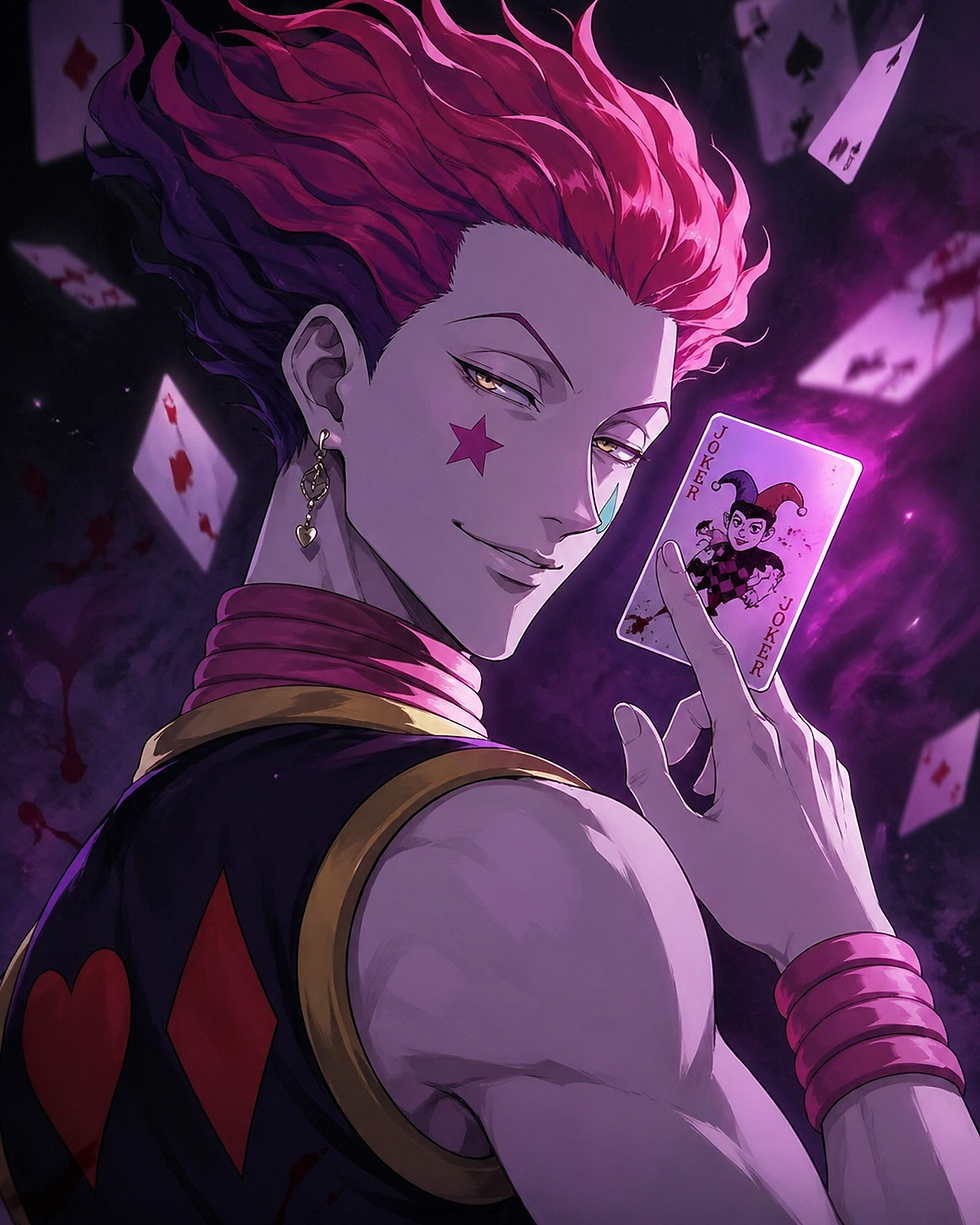
Hisoka’s Introduction and Initial Impact
When Hisoka first appears in Hunter x Hunter, he immediately grabs attention with his flamboyant appearance and unsettling aura. His clown-like makeup and playful demeanor contrast sharply with his deadly skills and ruthless personality. This duality creates a character who is both fascinating and terrifying.
Hisoka’s introduction breaks the mold of typical anime antagonists who often have clear motives or straightforward evil intentions. Instead, Hisoka operates on whim and personal desire, driven by the thrill of fighting strong opponents. This unpredictability adds tension and excitement to the story, keeping viewers on edge.
Hisoka’s fighting style, centered around his Nen ability called Bungee Gum, is creative and visually striking. It blends flexibility, strategy, and raw power, showcasing a new level of combat sophistication in anime. His battles are not just physical confrontations but psychological games, emphasizing intelligence and cunning.
The Complexity of Hisoka’s Personality
Hisoka’s character is layered with contradictions that make him compelling. He is selfish and manipulative but also respects strength and potential in others. His obsession with fighting worthy opponents leads him to form uneasy alliances and sometimes even protect characters he later plans to challenge.
This complexity challenges viewers to rethink the nature of villains in anime. Hisoka is not purely evil; he operates by his own code, which blurs the lines between antagonist and anti-hero. This ambiguity invites deeper engagement from the audience, who are drawn to his charisma and unpredictability.
Hisoka’s psychological depth also explores themes of obsession, desire, and identity. His fixation on powerful fighters reflects a deeper search for meaning and excitement in life. This portrayal adds emotional weight to his actions and makes him more than just a typical villain.
Hisoka’s Role in Shaping Hunter x Hunter’s Narrative
Hisoka’s presence significantly influences the plot and character development in Hunter x Hunter. His interactions with protagonists like Gon and Killua push them to grow stronger and face moral dilemmas. Hisoka’s challenges serve as milestones for their journey, testing their resolve and skills.
Moreover, Hisoka’s shifting alliances and betrayals add layers of suspense and complexity to the story. He is a wild card whose motives are never fully clear, which keeps the narrative dynamic and unpredictable. This approach to character-driven storytelling has inspired other anime creators to develop more nuanced antagonists.
Hisoka also embodies the theme of power and its consequences. His relentless pursuit of strength and excitement highlights the costs of obsession and the fine line between passion and destruction. This theme resonates throughout Hunter x Hunter and enriches its philosophical depth.
Influence on Anime Culture and Character Archetypes
Hisoka’s impact extends beyond Hunter x Hunter, influencing how anime characters are written and perceived. His blend of charm, menace, and complexity has inspired a new wave of antagonists who defy simple categorization.
Many anime series now feature villains or anti-heroes with ambiguous motives and psychological depth, a trend that can be traced back to characters like Hisoka. His popularity also reflects a shift in audience preferences toward more sophisticated and morally complex storytelling.
Hisoka’s unique design and personality have made him a cultural icon within the anime community. Cosplayers, fan artists, and content creators frequently celebrate his character, contributing to his lasting legacy. His presence in merchandise and media further cements his role as a defining figure in anime culture.
Specific Examples of Hisoka’s Influence
Character Design: Hisoka’s colorful yet eerie appearance has inspired similar designs in other anime, blending playful aesthetics with dark undertones.
Narrative Role: Characters who blur the line between ally and enemy, like Hisoka, appear in series such as Tokyo Ghoul and Jujutsu Kaisen, reflecting his influence on storytelling.
Psychological Depth: Hisoka’s obsession-driven personality paved the way for villains with complex motivations, moving away from one-dimensional evil characters.
What Makes Hisoka Stand Out Today
Even years after his debut, Hisoka remains a standout character because of his unpredictability and depth. His evolution in Hunter x Hunter shows how a well-crafted antagonist can elevate an entire series.
Hisoka’s ability to surprise viewers with unexpected actions keeps the audience engaged. His charisma and unique fighting style make his scenes memorable and exciting. This combination of traits ensures that Hisoka continues to be a benchmark for character development in anime.
Hisoka’s journey in Hunter x Hunter demonstrates how a character can transform a story and influence an entire genre. His complex personality, unique abilities, and unpredictable nature have reshaped how anime villains are portrayed. For fans and creators alike, Hisoka represents a shift toward richer, more engaging characters that challenge traditional roles.


Comments