


The Differences Between Manga and Western Comics Explained

Manga and Western comics both tell stories through sequential art, but they differ in many ways that reflect their unique cultural origins, storytelling styles, and production methods. For readers new to either form, these differences can shape how they experience and appreciate the medium. This post explores the key contrasts between manga and Western comics, helping you understand what makes each special and why fans often prefer one over the other.
Art Style and Visual Presentation
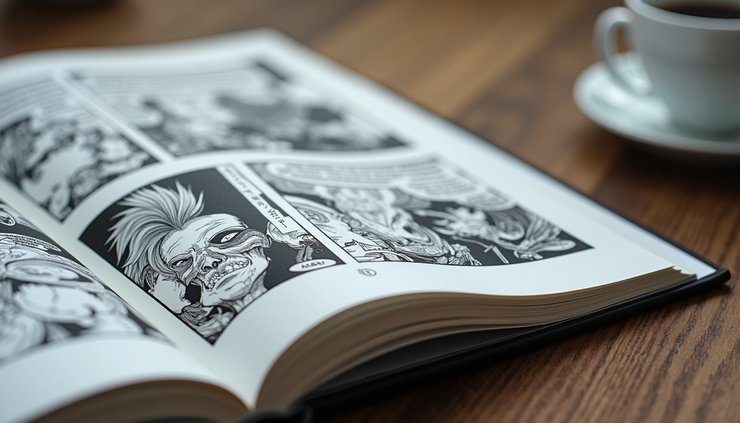
One of the most noticeable differences lies in the art style. Manga typically features black-and-white illustrations with clean lines and detailed backgrounds. This style allows for quick production and emphasizes the story and characters without the distraction of color. Manga artists often use screentones and shading techniques to add depth and emotion.
Western comics, by contrast, usually come in full color. The use of vibrant colors helps create mood and atmosphere, and colorists play a significant role in the final look. Western comic art varies widely, from highly realistic to exaggerated and stylized, but color remains a defining feature.
Additionally, manga panels are often arranged vertically and read from right to left, reflecting Japanese reading habits. Western comics are read left to right with horizontal panel layouts. This difference affects pacing and how action flows across the page.
Storytelling and Themes
Manga covers a vast range of genres and themes, often targeting specific age groups and interests. For example:
Shonen manga focuses on young boys with themes of friendship, adventure, and growth (e.g., Naruto, One Piece).
Shojo manga targets young girls, emphasizing romance and personal relationships (e.g., Fruits Basket).
Seinen and josei manga cater to adult men and women with more mature, complex stories.
Western comics traditionally centered on superheroes, especially from publishers like Marvel and DC. These stories often emphasize heroism, morality, and epic battles. However, Western comics have expanded to include horror, fantasy, crime, and slice-of-life genres, reflecting broader interests.
Manga tends to develop characters and plots over many chapters, sometimes spanning hundreds of issues. This long-form storytelling allows for deep character development and intricate world-building. Western comics often use shorter story arcs or standalone issues, though graphic novels and series have grown in popularity.
Production and Publishing
Manga is usually serialized in weekly or monthly magazines before being collected into volumes called tankobon. This fast-paced schedule demands that manga artists, or mangaka, work quickly, often with assistants. The serialized format encourages cliffhangers and ongoing storylines.
Western comics are often released monthly as single issues, then compiled into trade paperbacks. The production process involves separate roles for writers, pencilers, inkers, colorists, and letterers, making it a more collaborative effort. This division can lead to varied art styles within a series depending on the creative team.
Cultural Influences and Reader Experience
Manga reflects Japanese culture, social norms, and aesthetics. For example, school life, traditional festivals, and societal pressures frequently appear in stories. The emotional expression in manga can be more exaggerated, using visual symbols like sweat drops or large eyes to convey feelings.
Western comics often mirror Western values and history, with superheroes embodying ideals like justice and freedom. The tone can range from gritty realism to campy fun, depending on the title.
Readers of manga often enjoy binge-reading entire story arcs due to the collected volumes, while Western comic fans may follow monthly issues and enjoy the anticipation between releases.
Format and Accessibility
Manga volumes are usually smaller in size but thicker, containing many chapters. The black-and-white format makes manga more affordable to produce and buy. Digital manga platforms have increased accessibility worldwide.
Western comics tend to have larger page sizes and use color printing, which can increase production costs. However, graphic novels and digital comics have made Western comics more accessible and diverse in format.
Examples to Illustrate Differences
Attack on Titan (manga) uses intense black-and-white art and long story arcs to build suspense and emotional depth.
Spider-Man (Western comic) features colorful, dynamic panels with monthly issues focusing on superhero action and moral dilemmas.
Death Note (manga) combines psychological thriller elements with Japanese cultural references.
Batman (Western comic) explores themes of justice and darkness with detailed color art and varied storytelling styles.
Final Thoughts on Choosing Between Manga and Western Comics
Both manga and Western comics offer rich storytelling and unique artistic experiences. Manga’s serialized, black-and-white format allows for deep character development and cultural insight. Western comics provide colorful, varied art and a wide range of genres beyond superheroes.


Comments